Source plus size stretchy bodycon romper for Yoga, Gym, and Fitness
Explore 30 listings for the plus size stretchy bodycon romper suitable for yoga, gym, and fitness activities. Buyers can compare materials like cotton/spandex and polyester blends, customization options, and shipping methods to find the best supplier match.
Key considerations
Products List


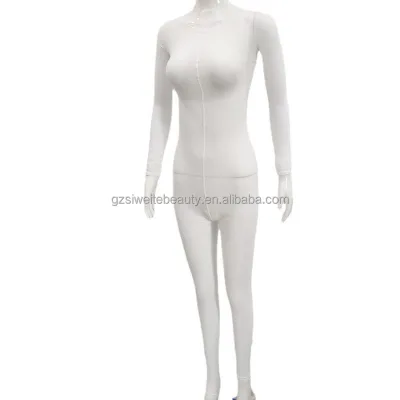

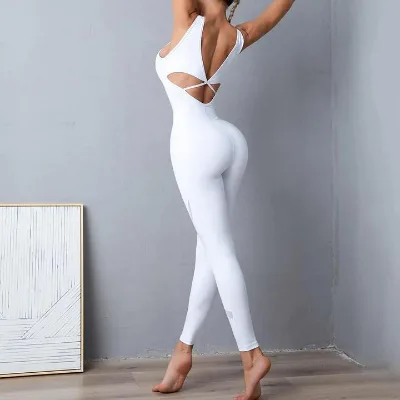
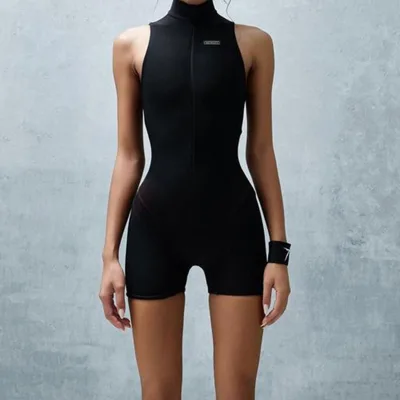
Comprehensive Sourcing Guide
Strategic Sourcing Guide for Plus Size Stretchy Bodycon Rompers
The global market for activewear and casual loungewear has seen a significant surge in demand for versatile, form-fitting garments that accommodate diverse body types. Among these, the plus size stretchy bodycon romper has emerged as a critical category for B2B buyers seeking to expand their inventory with high-utility, fashion-forward pieces. Sourcing this specific item requires a nuanced understanding of material composition, fit engineering, and supply chain logistics. This guide provides a disciplined approach to evaluating potential suppliers, ensuring that the final product meets the rigorous demands of modern retail while adhering to strict quality and compliance standards.
Technical Specifications and Material Engineering
The foundation of a successful plus size bodycon romper lies in its material composition and structural engineering. Unlike standard loose-fitting garments, bodycon styles rely heavily on the elasticity and recovery of the fabric to maintain a silhouette without compromising comfort. Based on industry observations and available product data, the primary material composition for these garments typically involves a blend of Cotton and Spandex or Polyester, Nylon, and Spandex. The inclusion of Spandex is non-negotiable for achieving the "stretchy" attribute required for a bodycon fit, particularly in plus size ranges where fabric tension must be distributed evenly to prevent rolling or digging.
When evaluating technical specifications, buyers must look for specific attributes regarding sleeve length and neckline. While some variations exist, the market often presents options ranging from short sleeve to long sleeve configurations, with round necklines being a prevalent standard. The fit type is explicitly defined as "Slim Fit" or "Bodycon," which necessitates precise pattern grading. For plus size specifications, the grading must account for proportional increases in circumference while maintaining the intended tightness. The product weight is a critical metric for logistics; observed data indicates weights ranging from 0.15kg to 0.6kg depending on the specific design and fabric density. Buyers should verify the exact weight per unit to calculate accurate freight costs, as heavier cotton blends will significantly impact shipping expenses compared to lighter synthetic mixes.
Furthermore, the production standards for these items often include specific packaging dimensions. Standardized packaging, such as 121520cm or 373745cm, is common for individual items packed in OPP bags. These dimensions are vital for warehouse planning and inventory management. Buyers must also consider the "Custom" standard available in the market, which allows for tailored packaging solutions to align with brand identity. The presence of features such as "Anti-Pilling," "Anti-Shrink," and "Quick Dry" capabilities should be verified through supplier documentation, as these attributes directly influence the product's longevity and customer satisfaction in the plus size segment.
Compliance, Certification, and Safety Standards
In the realm of B2B apparel procurement, compliance is not merely a formality but a critical risk management strategy. While specific certification names are not universally mandated for all regions, buyers must ensure that suppliers adhere to international safety standards regarding textile chemicals and flammability. The product data indicates that items are often labeled as "Eco-Friendly," a claim that requires substantiation through third-party testing or adherence to recognized environmental standards. Buyers should request proof of compliance with REACH (Registration, Evaluation, Authorization and Restriction of Chemicals) for European markets or CPSIA (Consumer Product Safety Improvement Act) for the United States, particularly concerning dye safety and fiber content accuracy.
Certification checks should also extend to labor practices and manufacturing ethics. Given that the origin of many of these products is listed as Zhejiang or generally China, buyers must implement a rigorous supplier audit process. This includes verifying that the manufacturing facility adheres to fair labor standards, ensuring safe working conditions, and preventing child labor. The "Customized Accepted" attribute suggests that many suppliers offer private label services, which often involve stricter quality control protocols. Buyers should insist on a Social Compliance Audit report before placing large orders. Additionally, the "Standard" attribute listed as "Adult" confirms the target demographic, but buyers must ensure that the sizing charts provided by the supplier align with international plus size standards, which can vary significantly between regions.
Cost Drivers and Pricing Structures
Understanding the cost drivers for plus size stretchy bodycon rompers is essential for maintaining healthy profit margins. The price range observed in the market varies significantly, typically falling between USD 0.5 and USD 20 per unit. This wide disparity is driven by several factors, including material quality, order volume, and customization complexity. The "Reference Price" of USD 7 to USD 12 often applies to mid-range items with standard customization. However, the "MOQ" (Minimum Order Quantity) can range from as low as 2 units to as high as 500 units, directly influencing the unit cost.
Buyers should note that "No MOQ" options exist, which are ideal for testing the market or for small boutique orders, though these often come with a higher per-unit price. Conversely, larger orders typically benefit from economies of scale, reducing the cost per unit. The "Mass Time" of approximately 15 days is a standard lead time for production, but this can fluctuate based on the complexity of the design, such as the inclusion of "Customized Logo Printing" or specific "Pattern" requirements like "Solid Color" versus "Colourful." The "Mode of Shipping," whether by Sea, Express, or Air, is another major cost driver. Express shipping options like DHL, UPS, or FedEx offer speed (4-6 workdays) but at a premium, while sea freight is more cost-effective for bulk orders despite longer transit times.
Typical Applications and Market Segmentation
The versatility of the plus size stretchy bodycon romper allows for a broad range of applications, making it a high-demand item across multiple market segments. The product data explicitly lists usage scenarios including "Ball Sports," "Soccer," "Racing," "Cycling," "Fitness," "Gym," "Yoga," "Basketball," "Tennis," and "Dancing." This indicates that the garment is not limited to loungewear but serves as functional activewear. The "Type" classification as "Romper" or "Suit" further broadens its utility, allowing it to be marketed as a complete outfit for specific activities like "Martial Arts & Boxing" or "Equestrian" sports.
Seasonality is another critical factor in market segmentation. While some products are designated for "Winter," others are suitable for "Spring, Summer, Autumn, Winter," suggesting a year-round demand. This versatility is particularly advantageous for buyers looking to stock a single SKU that can be marketed across different seasons. The "Feature" set, including "Breathable" and "Quick Dry," makes the garment suitable for high-intensity activities, while the "Slim Fit" and "Bodycon" aesthetic appeal to fashion-conscious consumers seeking a streamlined look. The "Colourful" and "Solid Color" options allow buyers to cater to diverse consumer preferences, from bold statement pieces to classic wardrobe staples.
Supplier Evaluation and Selection Criteria
Selecting the right supplier is perhaps the most critical step in the sourcing process. Buyers should prioritize suppliers who demonstrate transparency in their "prod_origin," with Zhejiang and China being common hubs for this type of manufacturing. A reliable supplier will provide detailed product models, such as "YJZ-G-0040" or "NEW417-NEW423," which serve as unique identifiers for specific designs. The ability to offer "Customized Logo Printing" and "Accept Label" services indicates a supplier's capability to support private label branding, which is essential for building a distinct brand identity.
When evaluating suppliers, buyers must assess their capacity for customization. The "Customization: Available" attribute suggests that many suppliers are flexible regarding design changes, but the extent of this flexibility varies. Buyers should inquire about the process for modifying patterns, colors, and fit specifications. The "Shipping Time" of 4-6 workdays for express options is a strong indicator of logistical efficiency, but buyers must verify if this applies to all destinations or only specific regions. Additionally, the "Mass Time" of 15 days should be treated as a baseline, with suppliers expected to provide realistic timelines based on current order volumes.
Quality Control and Inspection Protocols
Implementing a robust quality control (QC) protocol is essential to ensure that the final product meets the expected standards. Given the "Slim Fit" and "Bodycon" nature of the garment, fit consistency is paramount. Buyers should request pre-production samples to verify the "Sizes" (S, M, L, or Custom) and ensure that the grading for plus sizes is accurate. The "Weight" variations observed (0.15kg to 0.6kg) highlight the need for strict weight checks during production to prevent material substitution or inconsistency.
Inspection should also focus on the "Technics" of the garment, such as "Printed" designs. Buyers must verify that the printing is durable and does not crack or fade after washing. The "Anti-Pilling" and "Anti-Shrink" features should be tested through simulated wear and wash cycles to confirm their validity. Packaging quality is another area of focus; the "One OPP Bag Per Item" standard must be maintained to protect the garment during transit. Any deviation from the specified packaging dimensions or materials can lead to increased damage rates and customer complaints.
Long-Term Procurement Considerations
For buyers aiming to build a long-term relationship with suppliers, several strategic considerations must be addressed. The "Customized Accepted" nature of the product suggests that ongoing collaboration is possible, allowing for iterative improvements based on market feedback. Buyers should establish clear communication channels regarding "Mode of Shipping" and "Shipping Time" to ensure timely deliveries. The "Reference Price" of USD 7 to USD 12 provides a benchmark, but buyers should negotiate based on volume and long-term commitments to secure better rates.
Sustainability is increasingly becoming a key differentiator in the apparel market. The "Eco-Friendly" attribute, while present in some listings, should be a focal point for future product development. Buyers should encourage suppliers to adopt sustainable practices, such as using recycled materials or reducing water consumption in the dyeing process. Finally, the "Usage" diversity of the romper allows for cross-category marketing, enabling buyers to expand their product lines into specialized sports or casual wear segments. By maintaining a disciplined approach to sourcing, buyers can ensure a steady supply of high-quality plus size stretchy bodycon rompers that meet the evolving demands of the global market.
FAQs
What materials are used for plus size stretchy bodycon rompers?
These garments typically use Cotton/Spandex or Polyester/Nylon/Spandex blends to ensure necessary elasticity. The inclusion of Spandex is essential for the bodycon fit, allowing the fabric to stretch and recover without compromising comfort for diverse body types.
Can I customize the logo and packaging for these rompers?
Yes, customization is available for both logos and packaging solutions. Suppliers accept customized logo printing and offer packaging options like One OPP Bag Per Item or custom dimensions, allowing buyers to align the product with their specific brand identity.
What is the typical lead time for mass production of these items?
The standard mass production time is approximately 15 days for most orders. This timeline may vary slightly depending on the complexity of the design, the volume of the order, and the specific customization requirements such as unique patterns or labels.
Which shipping methods are available for delivering these rompers?
Buyers can choose from Sea, Express, or Air modes of shipping to suit their urgency and budget. Express options like DHL, UPS, and FedEx offer door-to-door delivery in 4-6 workdays, while sea freight is suitable for larger bulk shipments.
How does the MOQ affect the pricing of plus size rompers?
Minimum Order Quantities range from 2 to 500 units, directly influencing the unit cost. While some suppliers offer no MOQ for testing, larger orders typically benefit from economies of scale, often resulting in a reference price between USD 7 and USD 12 per unit.
What fit types are available for these stretchy bodycon rompers?
The primary fit type is defined as Slim Fit or Bodycon to maintain a form-fitting silhouette. This engineering ensures the garment accommodates plus size ranges while distributing fabric tension evenly to prevent rolling or digging during wear.
Where are these rompers typically manufactured and shipped from?
Most products originate from manufacturing hubs in Zhejiang, China. The origin is consistently listed as China, with suppliers utilizing various shipping methods including China Post and international carriers to distribute goods globally to B2B buyers.